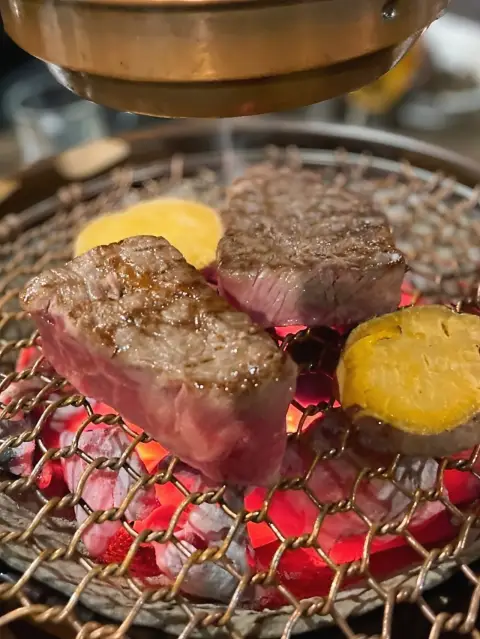
Bukchon Hanok Village, with its winding, tranquil alleyways, never fails to stir a feeling of excitement. Amidst these streets where time seems to stand still, I finally visited a place I’d had on my mind for a long time: Jaedong Sundubu.
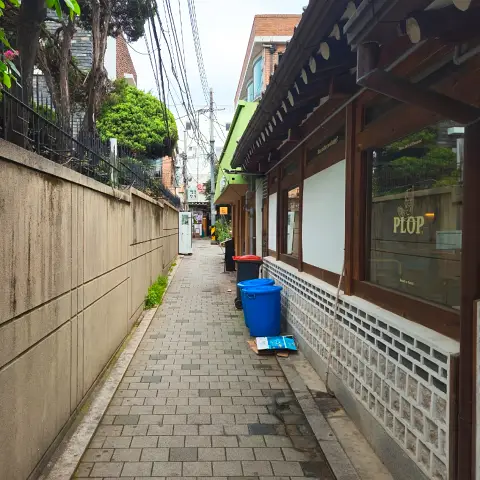
Located in a charming alley in Seoul’s Jongno-gu district, Jaedong Sundubu offers a genuine taste of Korean heritage. I had a good feeling as I stepped into this village where the scenery has remained unchanged for decades. It felt as if the warmth of a home was already spilling out to greet me.
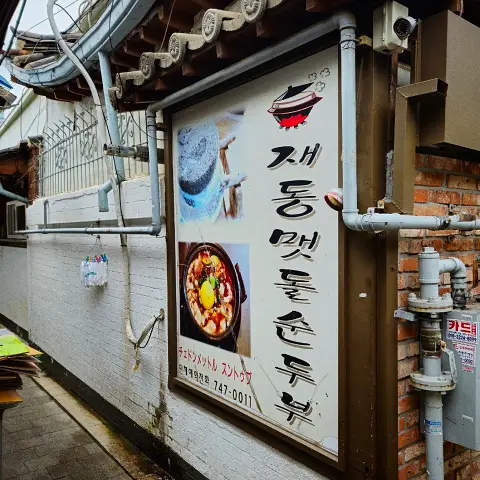
The familiar and comforting sights reminded me of visiting my great-uncle’s house in the countryside, which instantly put me at ease.

Stepping Into a Timeless Space: The Story of Jaedong Sundubu
From a distance, Jaedong Sundubu doesn’t look particularly large, nestled as it is in the backstreets of Anguk Station. However, as you get closer, you immediately see that the restaurant is a converted hanok—a traditional Korean house.
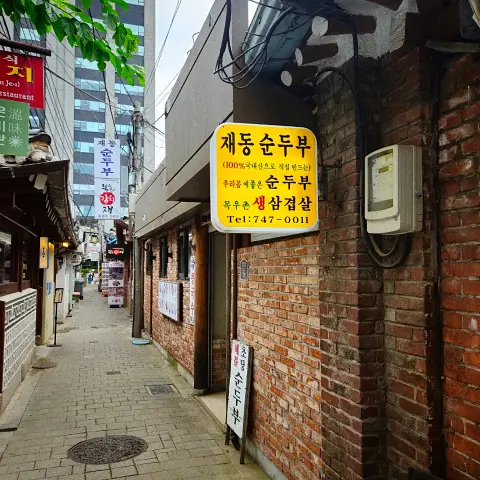
Consequently, the entrance felt incredibly welcoming, like a visit to an old family home. The unique hanok architecture is a huge draw for foreign tourists, and so it’s easy to see why many are captivated by its charm. Finding such a familiar and comfortable setting in the heart of a bustling city was, furthermore, a truly special experience in itself.
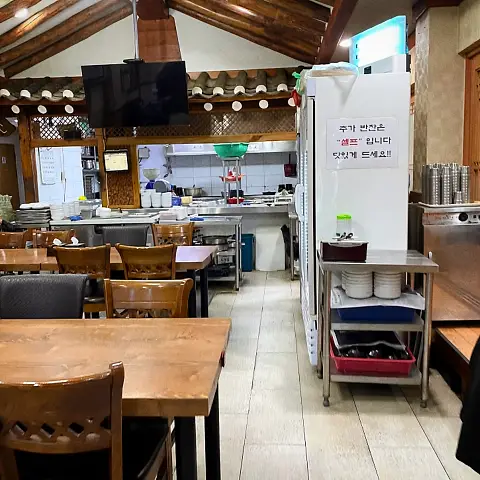
The interior of Jaedong Sundubu was also impressive. Despite its quaint exterior, the inside was surprisingly spacious. I was particularly impressed by the high ceilings, which gave the space an open, airy feel. In addition, all the seating at Jaedong Sundubu is at tables with comfortable padded chairs. On the one hand, the floor is flat and there’s plenty of room to move around.
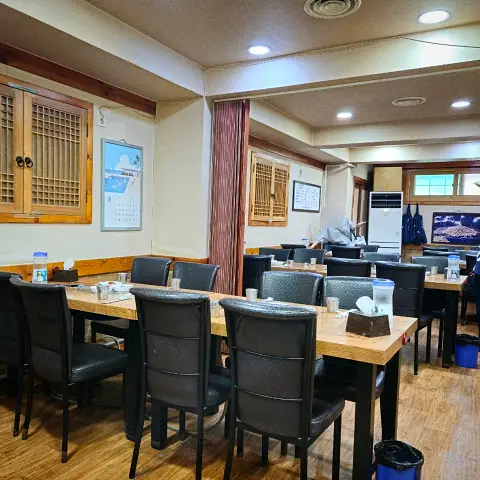
On the other hand, because it is a renovated hanok, the building retains some of the structural features of traditional architecture. Ultimately, this adds to the unique character of the place.
Jaedong Sundubu’s Menu: A Simple Yet Substantial Journey
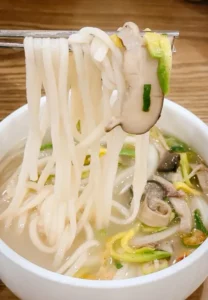
Sitting down and looking over the menu at Jaedong Sundubu, I saw a neat selection of dishes. They were centered around the main offering, sundubu (soft tofu). At the time of my visit, for instance, the Chodang Sundubu and Seafood Sundubu were each priced at ₩12,000. Meanwhile, Kongguksu (soybean noodle soup) and Pajeon (savory pancake) were ₩10,000. While the prices seemed to have gone up a bit, they felt reasonable considering the restaurant’s location in Bukchon and the rising cost of living.
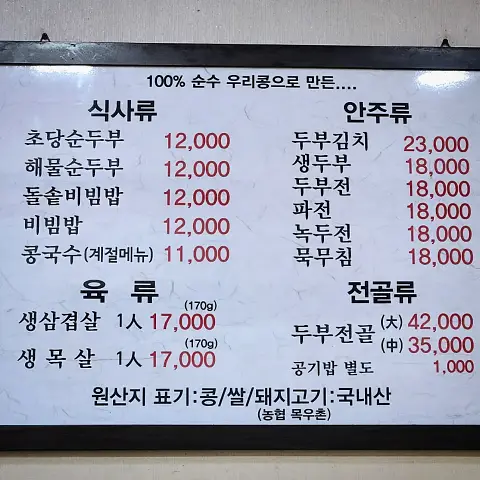
Old records, for example, suggest that sundubu used to be around ₩7,000. This is a nearly 70% increase. Still, when you consider the quality of the food and the unique atmosphere of Jaedong Sundubu, it’s a meal that is well worth the price. The menu at Jaedong Sundubu also offers other dishes that pair well with tofu, such as Dolsot Bibimbap (hot stone pot mixed rice), regular Bibimbap, and Kongguksu. This variety makes Jaedong Sundubu a fantastic place to visit as a Bukchon Korean restaurant.
Jaedong Sundubu’s Sundubu Trio, Deconstructed
The Serene White Wonder: Chodang Sundubu
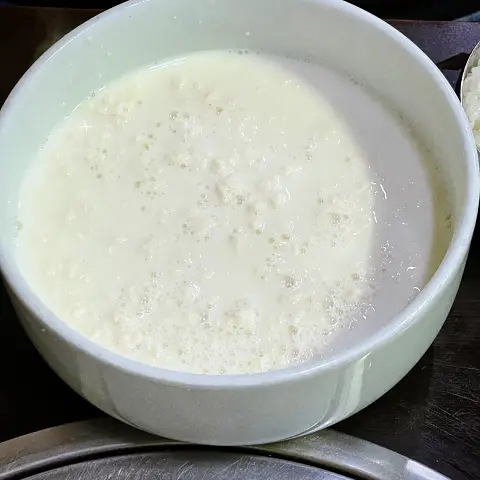
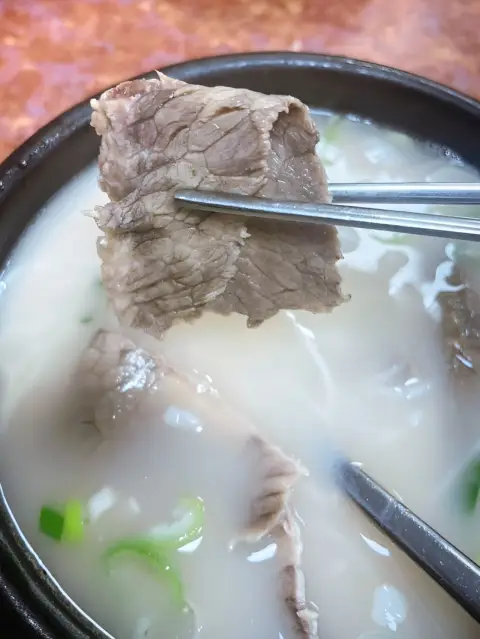
I started by ordering the Chodang Sundubu. Unlike the bubbling Seafood Sundubu, this dish from Jaedong Sundubu arrived with a pristine, quiet presence. The pure white, fluffy tofu looked incredibly appetizing. When I scooped it with my spoon, the soft curds crumbled gently. It felt like anyone—from a baby to a toothless elder—could easily eat it.
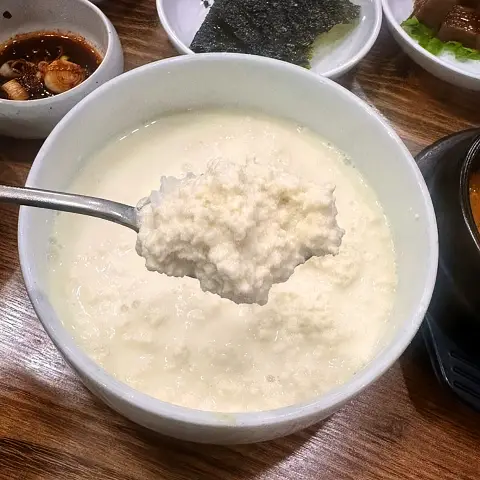
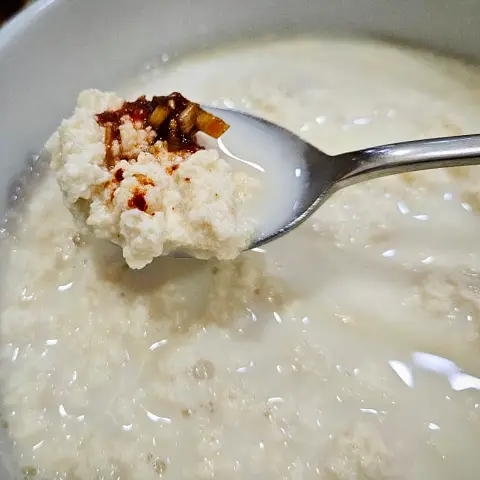
The first bite filled my mouth with the pure, nutty flavor of soybean. A subtle sweetness and a hint of the deep taste of the sea followed, which warmed me from the inside out. The flavor was not overpowering but instead mild and deeply savory. The clean, pure taste of the bean lingered on my palate, leaving a light and elegant finish. The spicy, salty, and slightly gangdoenjang-like soybean paste that came with the Chodang Sundubu was a standout. It was the perfect complement to the plain tofu.
The Fiery Bowl: Seafood Sundubu
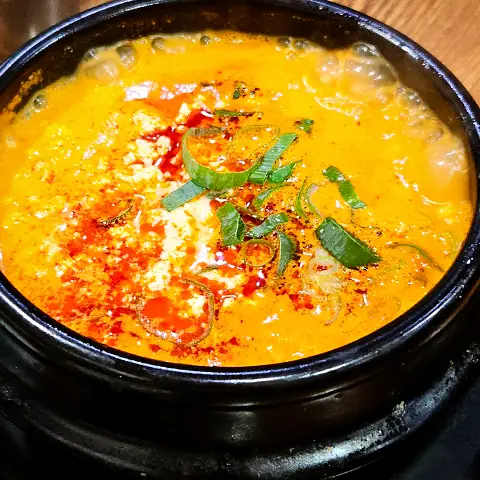
In contrast, I also ordered the Seafood Sundubu. This dish from Jaedong Sundubu arrived in an earthenware pot, bubbling furiously, stimulating both sight and smell. Hidden among the soft tofu curds were various kinds of seafood: shrimp, clams, mussels, and squid.
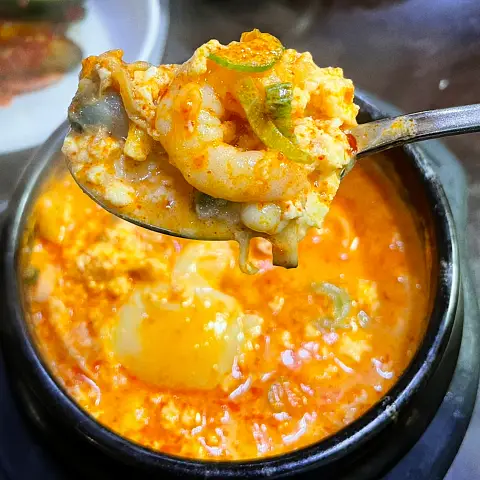
As a result, one spoonful offered a spicy kick along with a refreshing, deep flavor from the seafood. The generous amount of seafood was a bonus. It allowed me to enjoy the chewy texture of the seafood along with the silky-smooth tofu.
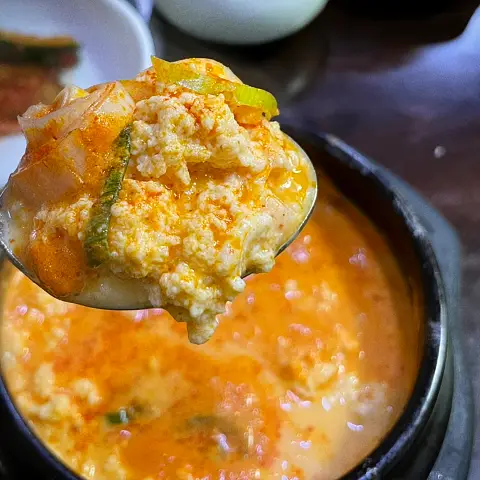
Some online reviews had mentioned that the Seafood Sundubu could be a bit salty. However, during my visit, it was perfectly seasoned with just the right amount of spice—a truly satisfying bowl.

Perfect Pairing: The Seafood Pancake
The Seafood Pancake I ordered to go with the spicy Seafood Sundubu was a match made in heaven. The combination of sundubu stew and pajeon is a classic for a reason.
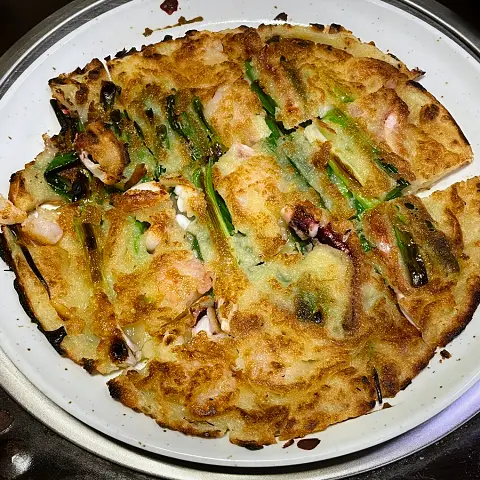
Specifically, the crispy, savory flavor of the pancake perfectly balanced the spicy stew. It created a fantastic harmony. The pairing of a hot, fiery spoonful of sundubu with a crispy, delicious slice of pajeon made for a truly hearty and enjoyable meal at Jaedong Sundubu.
The Supporting Cast: A Story of Simple, Clean Side Dishes
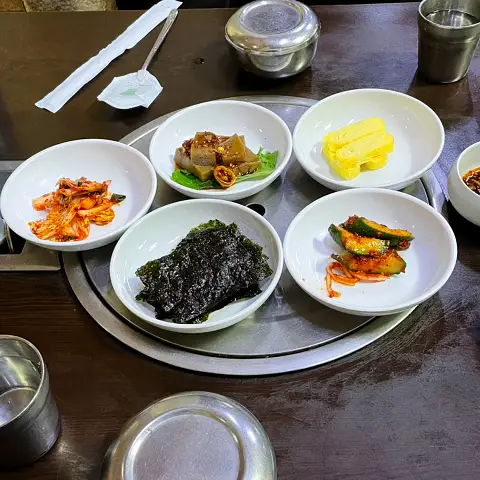
Before the main dishes arrived at Jaedong Sundubu, the staff quickly set five different kinds of side dishes on the table. When I visited, the lineup included acorn jelly salad, seasoned seaweed, kimchi, an egg roll, and a cucumber salad. The selection was neat and clean. It complemented the main course without overpowering it.
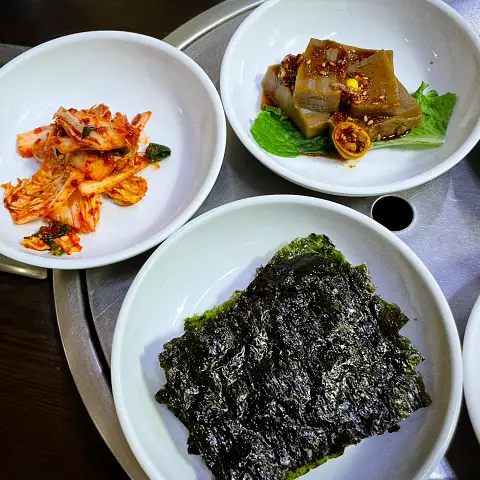
What I particularly appreciated was the generous service. If you needed more of any side dish, you could simply ask the staff for a refill. This kind of service leaves a great impression on customers. It shows that the restaurant is not only generous but also confident in the quality of its food. For this reason, a visit to Jaedong Sundubu is not just about the main course.
A Beginner’s Guide to Sundubu: Beyond Jaedong Sundubu
If you were to explain Jaedong Sundubu to a friend from a non-Korean background, you could put it this way:
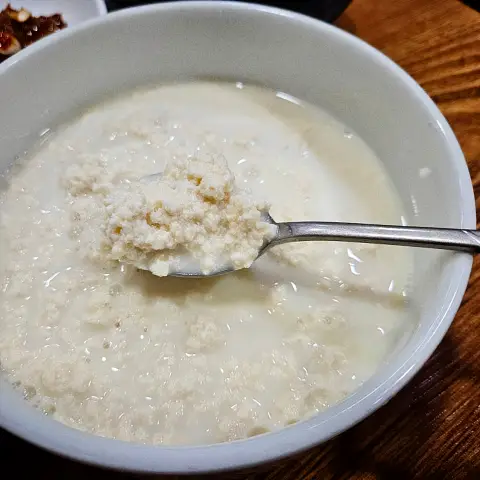
Sundubu is the original form of traditional Korean tofu. Unlike regular tofu, which is pressed to remove water, sundubu is the unpressed, curdled form of the soybean mixture. It’s much softer and fluffier than regular tofu. English speakers often call it “soft tofu” or “extra soft tofu”. Thanks to the influence of East Asian immigrants, it’s already somewhat known in the West. It is especially popular with vegetarians and people seeking a healthy diet.
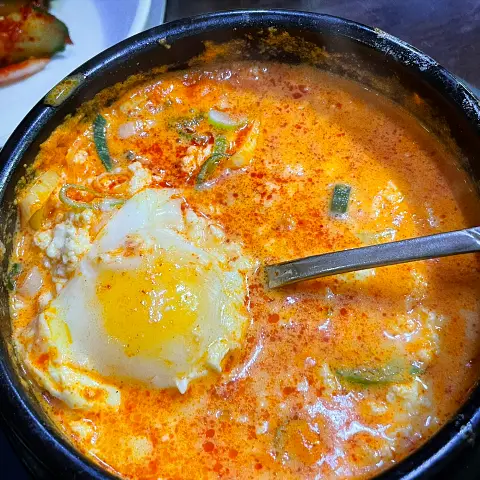
The main dish at Jaedong Sundubu, Sundubu-jjigae, is a type of stew. The restaurant makes it by boiling this soft tofu with seafood, meat, and various vegetables in a spicy broth. Stews in Korea are thicker and have more ingredients than soups. They usually serve it in a hot stone pot, still bubbling. Some people like to crack a raw egg into it to cook in the hot liquid.
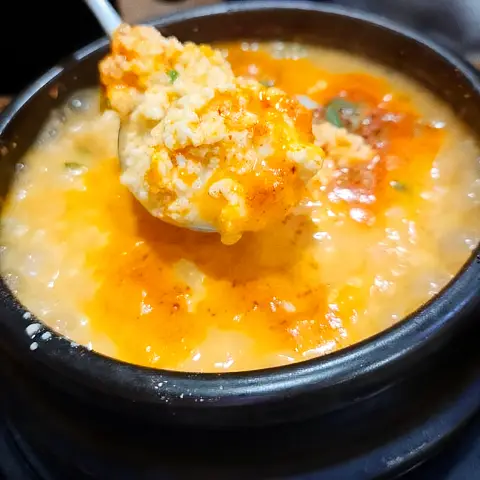
The Chodang Sundubu I tried at Jaedong Sundubu has a special place in Korean history and culture. A famous writer named Heo Yeop made this tofu in the Joseon Dynasty. The story goes that he soaked soybeans in water from a well in front of his house. Then, he used clean seawater to curdle the mixture. This method of using saltwater adds a unique “salty taste” to the tofu that others don’t have. It gives it a subtle yet deep flavor. This story about making tofu with seawater would surely be a fascinating tidbit for any foreign friend.
Essential Checklist Before You Visit Jaedong Sundubu
Here’s some practical information to help you plan your visit to Jaedong Sundubu.
Getting There (Subway & On Foot)
Jaedong Sundubu is very easy to get to by public transportation.
- Take Subway Line 3 to Anguk Station and use Exit 2.
- Walk straight from the exit toward the Constitutional Court of Korea.
- Then, turn into the first alley on your right.
- The restaurant is at the beginning of the alley, so it’s not hard to find.
Note: The restaurant does not have its own parking lot. For this reason, I highly recommend using public transportation.
Klook.comOperating Hours & Waiting Tips
The address for Jaedong Sundubu is 8, Bukchon-ro 2-gil, Jongno-gu, Seoul. They are open from 10 AM to 10 PM. Be aware, however, that they have a break time from 3 PM to 5 PM. Plan your visit accordingly. They are also closed every Sunday. Make sure to check before you go.
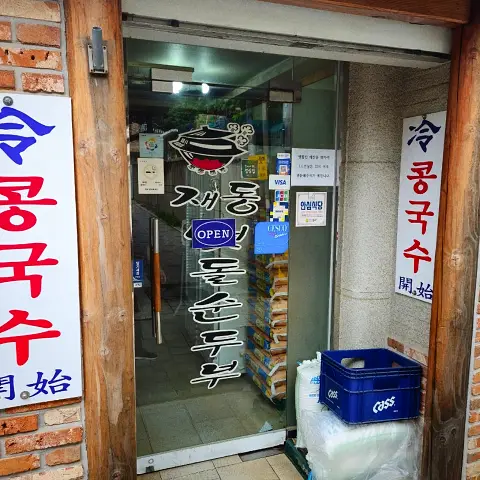
Wait times can be an issue, especially during lunch. Around the peak lunch hour of noon, for example, you might have to wait for about 30 minutes. If you can arrive a little before or after, the wait time is usually closer to 15 minutes. There doesn’t seem to be a reservation system. It’s a first-come, first-served situation. The fact that people are willing to wait for 30 minutes shows that Jaedong Sundubu is a very popular lunch spot for both local office workers and tourists. It’s a place worth the wait.
Epilogue: The True Value of Jaedong Sundubu
My visit to Jaedong Sundubu was more than just a meal; it was a valuable experience. It allowed me to feel the essence of Bukchon Hanok Village and taste a slice of traditional Korean culture. From the mild, comforting Chodang Sundubu to the spicy, hearty Seafood Sundubu, Jaedong Sundubu has a variety of charms.

Ultimately, the neat side dishes, the generous service, and the historical background of the tofu made my experience even richer. I highly recommend Jaedong Sundubu to anyone looking for a peaceful meal in the heart of Seoul or a foreign friend who wants to truly experience delicious Korean food at a fantastic Bukchon Korean restaurant.
More Great Eats in Bukchon Area
Looking for More Seoul Spots?

Who’s Writing?